

Postpartum recovery · 5 MIN READ
Diastasis recti after pregnancy: understanding support for your core
A focused guide to abdominal separation, assessment and rehabilitation, with realistic expectations for comfort-focused postpartum massage.

Your abdomen may feel unfamiliar after pregnancy. You might notice a change in its shape, a sense that your middle is less supported, or uncertainty about returning to everyday movement. The phrase diastasis recti can make those questions sound more technical, but you do not need to diagnose yourself before asking for help.
This guide focuses on diastasis recti and the difference between rehabilitation and supportive massage. It does not group every postpartum concern into one treatment. If your question is about swelling or gentle abdominal touch, our separate guides explain those options in their own right.
What diastasis recti means
Diastasis recti describes separation of the abdominal muscles that can happen during pregnancy. The amount and the way it affects you can vary. Appearance alone is not enough to tell you which support is appropriate, and a social-media photo cannot assess your recovery.
If you are concerned about a persistent gap, discomfort or the way your core functions, speak with a qualified clinician. They can discuss whether a physiotherapy assessment is appropriate. The useful question is how your body is functioning and what help you need, rather than whether it matches someone else’s post-birth photographs.
Start with the activity you want help with
Describe what feels difficult: lifting, standing for a while, getting comfortable or returning to an activity you used to enjoy. Tell your clinician when the concern began and whether it has changed. You do not need to arrive with a label or a treatment plan.
A short note can help you remember the details during an appointment. Include what you notice, when it happens and any recovery advice you have already received. Bring the same information to a therapist if you later consider a comfort-focused spa session, so that care can work around the guidance you have been given.
Rehabilitation is different from massage
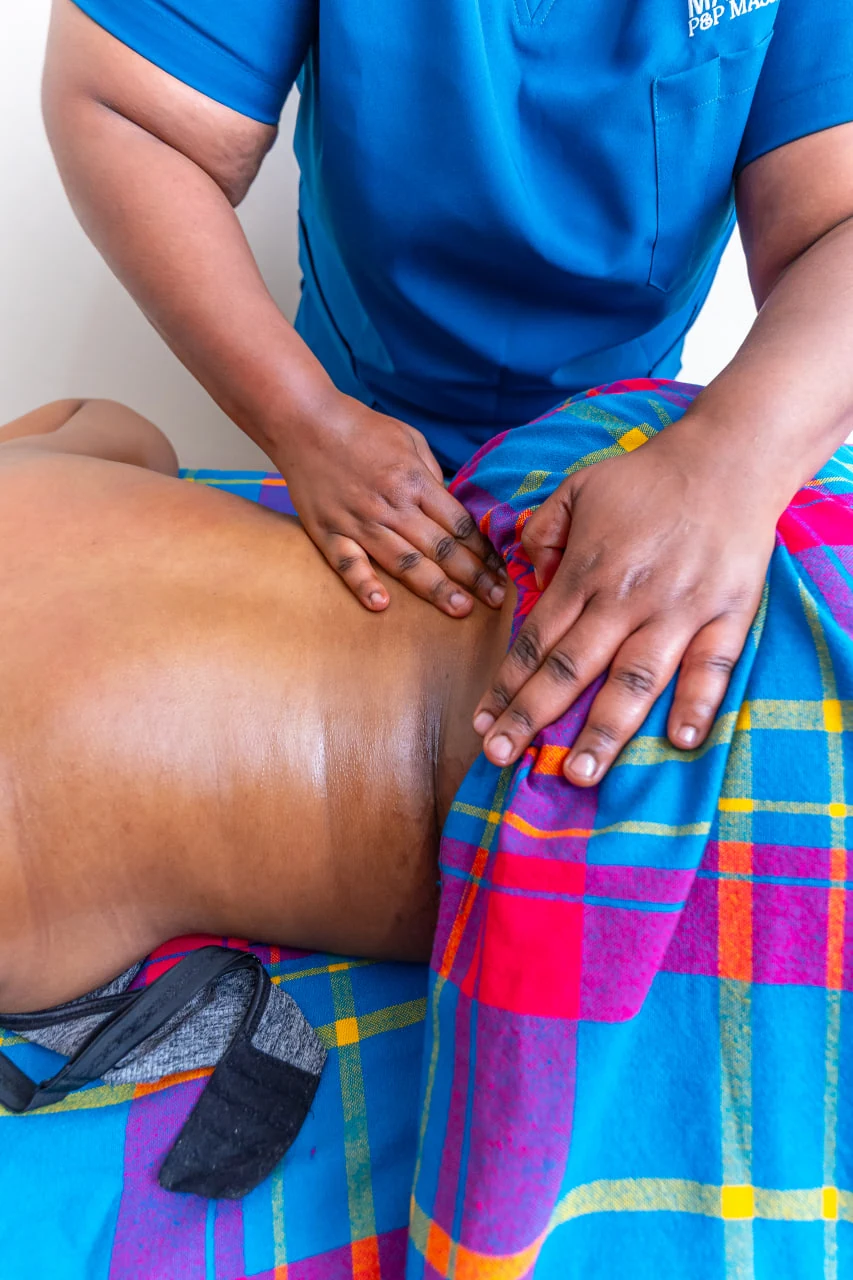
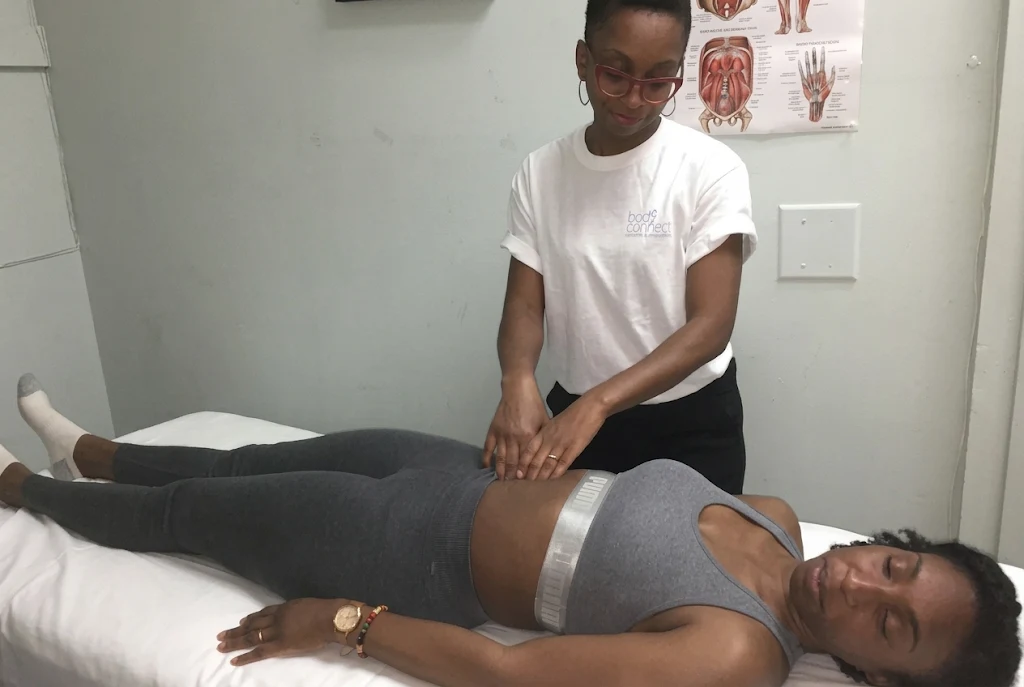
A physiotherapist may assess your movement and give an individual exercise or rehabilitation plan. Massage is a different service. It should not be promised to close an abdominal gap, replace guided rehabilitation or correct your core with pressure alone.
At Maggie’s, supportive bodywork can be discussed for appropriate comfort goals around areas such as the back, hips or ribs. Ask the therapist to explain the proposed session in plain language. The fact that a service mentions diastasis does not mean it provides a clinical diagnosis or takes the place of a rehabilitation professional.
Choose a comfort goal you understand
You might want to rest in a comfortable position or discuss tense shoulders and back muscles while continuing your recovery plan. Those are clearer expectations than paying for a promise of a flat tummy. You can ask what the appointment involves without committing to abdominal treatment.
If someone recommends several sessions, ask what each visit is intended to offer and how the plan relates to your clinical advice. More visits are not evidence of a better result. It is reasonable to begin with a conversation, decide that another assessment comes first, or decline a package entirely.
Questions for your practitioner
A good explanation should leave you able to describe the session in your own words. Ask questions before paying, especially if an advertised name seems to suggest a medical outcome. A responsible practitioner should be comfortable explaining the limits of what they offer.
- What is the aim of this session: comfort, rehabilitation or something else?
- Which areas will be touched, and what will be avoided?
- Should I have an assessment before booking?
- How will my physiotherapist’s advice be taken into account?
- What happens if a technique or position is uncomfortable?
Keep progress personal and practical
Recovery is not an appearance competition. If you have a rehabilitation plan, discuss questions and changes with the professional guiding it rather than comparing routines online. Persistent pain, a new concern or a symptom that affects your daily life deserves an assessment rather than increasingly forceful bodywork.
A binder, massage and exercise guidance also serve different purposes. Read our belly binding guide if you are considering a garment, but do not treat a supportive wrap as proof that an underlying concern has been addressed.
Plan the next step that fits your needs
Explore postpartum care at Maggie’s and tell us your comfort goals and relevant clinical advice. We can discuss suitable wellbeing care without promising that massage will repair abdominal separation. You remain free to choose what you want to include.
For other questions, read lymphatic drainage after birth or our guide to uterine reposition massage terminology. Each addresses a different concern, so you can focus on the information that matters to you.
A FEW COMMON QUESTIONS
Good to know.
Can massage close diastasis recti?
Massage should not be promised to close an abdominal gap. Seek clinical assessment and appropriate rehabilitation advice.
Can I avoid abdominal touch?
Yes. Discuss your preferences before the session and ask for the area to remain covered and untouched.
FURTHER READING
Sources & useful information
These resources inform the health context in this guide. They do not imply endorsement of Maggie’s or a medical review of this article.
Prepared by the Maggie’s Spa editorial team. General wellbeing information; not personalised medical advice. Treatments depend on individual suitability. Prices and availability can change; confirm them when booking. Questions or corrections?